
In the last decade, the UK’s entertainment scene has been reshaped by a single, unassuming device: the smartphone. When the first iPhone hit shelves in 2007, it seemed to offer only a handful of apps. Fast forward to 2024, and every citizen owns a machine capable of streaming concerts, watching live sports, and, increasingly, playing games that rival console titles in graphics and depth.
Game‑Ready Hardware and Network Speed
Three factors have driven the leap. First, processors like the Snapdragon 8 Gen 2 now pack 10 GB of RAM and 5G connectivity, allowing games to run at 60 fps with minimal lag. Second, the rollout of 5G across the UK has dropped average download times from 3 seconds to under 1 second for a 50 MB file. Third, app stores now support high‑definition assets that were once the preserve of PCs. Together, these advances mean a mobile game can feel as immersive as a home console experience.
Monetisation Models That Speak to the Crowd
Unlike the early “pay‑to‑play” model, modern mobile titles use a mix of micro‑transactions, season passes, and ad‑supported tiers. For example, a popular battle‑royale app averages £1.20 per active user per month, a figure that rivals the average spend on a streaming subscription. This fragmentation has made gaming more accessible: a casual player can enjoy a full season for free and choose to upgrade only if they want extra skins or early access.
Social Integration and Community Growth
Social features have become the backbone of mobile gaming. In 2022, the same battle‑royale app reported that 68 % of its users engaged in voice chat during play, a jump from 45 % in 2018. Cross‑platform leaderboards now sync with Discord and TikTok, allowing players to share highlights instantly. This connectivity has turned solitary gameplay into a communal event, driving repeat engagement and fostering fan‑made content that fuels the ecosystem.
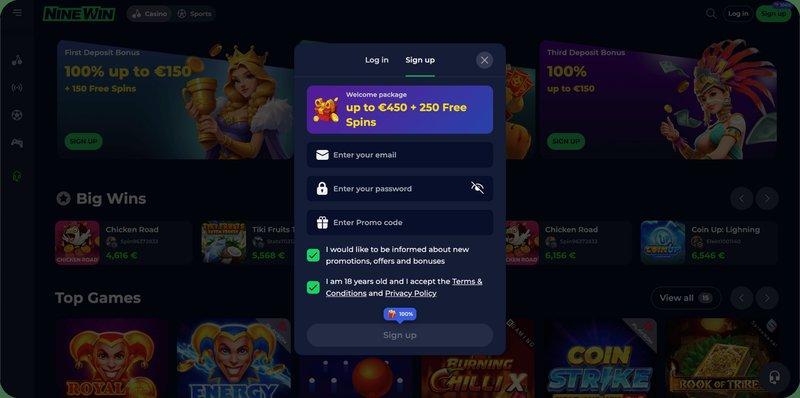
If you’re looking to combine the thrill of mobile gaming with the excitement of online slots, visit Nine Win Casino.
The Cultural Ripple: From Casual Play to Competitive Events
Competitive mobile esports tournaments now offer prize pools exceeding £500,000, attracting professional players who once only competed on PC. Viewership numbers for televised mobile tournaments have climbed 120 % year over year, with peak audiences reaching 250,000 concurrent viewers in 2023. Meanwhile, local pubs and community centers have installed mobile‑gaming lounges, turning the pastime into a social hub.
Bridging Traditional Entertainment and Digital Play
As mobile gaming continues to blur lines with other entertainment forms, many fans are turning to online platforms that combine gaming with live events. For instance, a popular streaming service now hosts weekly “game nights” where viewers can play along in real time, earning badges that unlock exclusive content. This trend demonstrates how mobile gaming is not just a pastime but a gateway to broader digital experiences.
Challenges That Still Persist
Despite its growth, mobile gaming faces hurdles. Battery life remains a concern; heavy titles can drain a phone’s battery to 20 % in under 30 minutes. Data caps also bite: a 10‑hour gaming session can consume up to 3 GB of data, pushing users toward Wi‑Fi. Finally, the monetisation model can alienate players who feel pressured to spend, leading to a small but vocal group of “pay‑to‑play” critics.
Looking Ahead: What’s Next for the UK Market?
Developer studios are now investing in cloud gaming services that offload processing to remote servers, promising even smoother experiences on older devices. Meanwhile, regulatory bodies are drafting guidelines to protect younger players from in‑app purchases, ensuring the industry remains sustainable. If these trends hold, the UK’s mobile gaming landscape will not only stay vibrant but will likely become the primary platform for interactive entertainment.
Conclusion
The transformation is clear: mobile gaming has moved from a niche hobby to a mainstream cultural force. With hardware that rivals consoles, monetisation that fits diverse budgets, and social features that turn play into community, the industry is reshaping how we spend leisure time. As the UK continues to embrace this shift, the next wave of innovation promises to make gaming even more accessible, engaging, and integral to everyday life.
Frequently Asked Questions
What drove the rapid shift to mobile entertainment in the UK?
Advancements in smartphone processors, high‑speed 5G networks, and a surge in app development made mobile entertainment more accessible and engaging.
How has gaming on smartphones changed compared to console gaming?
Modern mobile games now rival consoles in graphics and depth, thanks to powerful GPUs, real‑time ray tracing, and cloud streaming services.
Why are UK users increasingly streaming concerts and sports on phones?
Convenient on‑the‑go access, high‑definition streaming, and social sharing features keep audiences engaged wherever they are.
What future trends can we expect in mobile entertainment?
Expect deeper integration of AR/VR, more cloud gaming options, and personalized content driven by AI recommendation engines.
